What Is Site Preparation in Construction?
Sustainable Excavation Practices
How Hoover’s Bobcat Service Ensures Quality Excavation
Hoover’s Bobcat Service specializes in foundation excavation tailored to Central Missouri’s unique soil conditions. Their team conducts thorough soil testing and site assessments before excavation, ensuring compliance with local building codes. They use advanced equipment to achieve proper trenching, grading, and compaction, meeting the 95% Standard Proctor Density compaction standard.
Services include:
- Foundation Excavation: Precise digging to required depths (30-36 inches below frost line).
- Concrete Footings Installation: Meeting Missouri’s building codes for structural integrity.
- Site Preparation: Soil testing, grading, and erosion control to protect your foundation.
Hoover’s Bobcat Service combines local expertise with sustainable practices to deliver durable foundations that stand the test of time.
Conclusion
Excavation is the critical first step in building a strong concrete foundation, especially in Central Missouri’s clay-heavy soil. Proper depth, compaction, and site preparation prevent common foundation problems like settlement and water damage. While some site prep tasks can be DIY, professional excavation ensures compliance with local codes and long-term stability.
For reliable foundation excavation services in Central Missouri, contact Hoover’s Bobcat Service today. Their expertise and equipment will help you build a foundation that lasts.
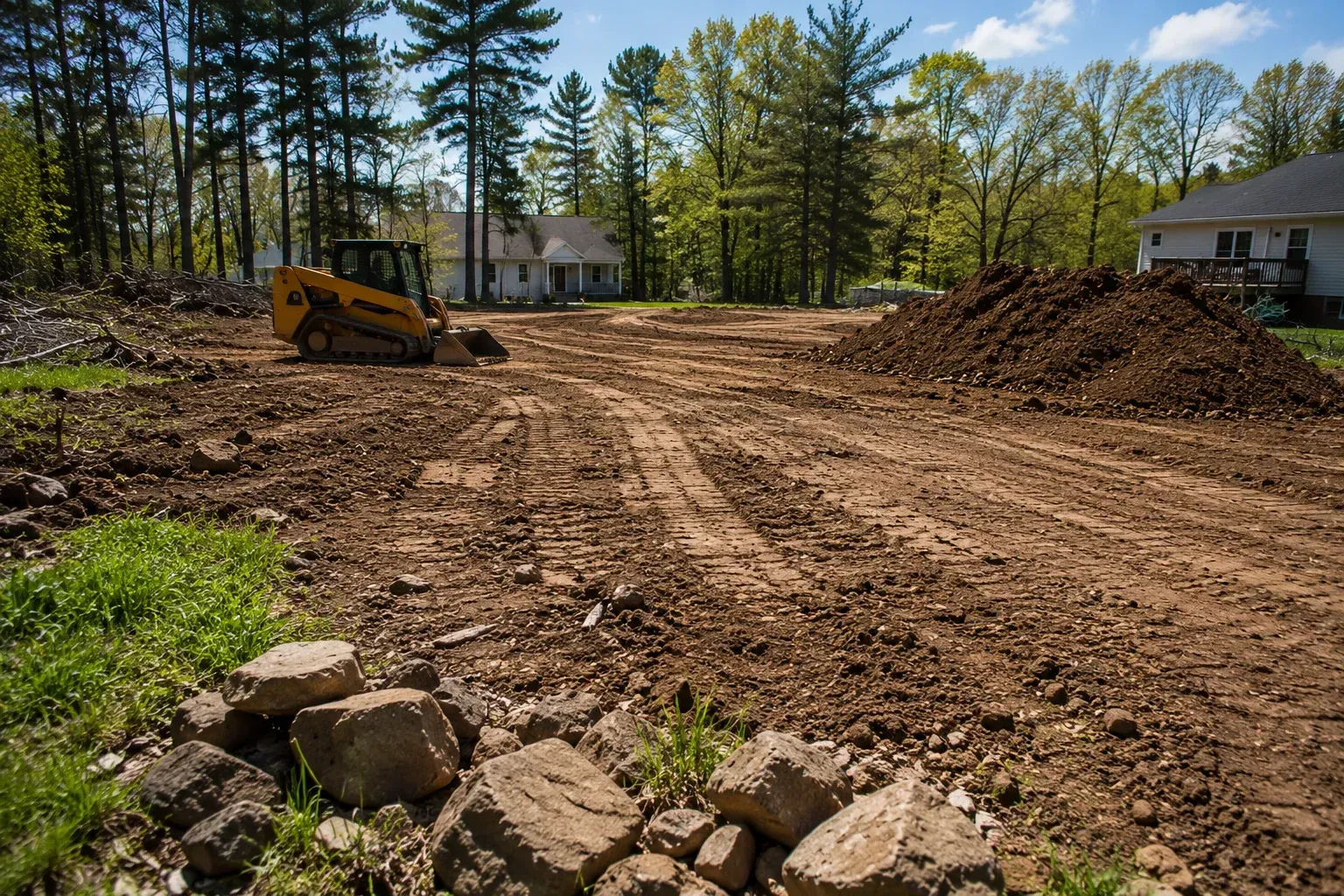
Table of Contents
- Introduction
- What Does Site Preparation Actually Mean?
- Why Site Preparation Matters Before You Build
- The Main Steps Involved in Site Prep
- Site Clearing Explained
- Grading and Why It Comes Next
- Soil Compaction and Stability
- How Local Soil and Terrain Affect Site Prep in Versailles, MO
- Timing Site Prep Around Missouri Weather
- What Happens If Site Prep Is Skipped or Rushed
- Conclusion
- Frequently Asked Questions
Key Takeaways
- Site preparation is the process of clearing, grading, and stabilizing land before any building work begins.
- It typically includes site clearing, removal of debris, grading for proper drainage, and soil compaction.
- Skipping or rushing site prep is one of the more common reasons foundations and driveways develop problems later on.
- Soil type, slope, and existing vegetation all affect how much site prep a given lot needs.
- Weather and ground conditions in Central Missouri can influence the timing of site prep work.
Introduction
Site preparation is the process of getting raw land ready for construction by clearing it of trees, brush, and debris, then grading and compacting the soil so it can support a structure or driveway. For homeowners in Versailles, Missouri, this step usually happens before anything else on a building project, whether that's a new home, a shed, a garage pad, or a driveway. Understanding what site prep actually involves helps homeowners ask better questions and recognize what reasonable work looks like before signing off on a project.
This isn't a glamorous part of construction. Nobody takes photos of a graded dirt lot the way they do a finished home. But the ground underneath any structure does more to determine long-term stability than almost anything else in the build. A look at what site prep includes, and why each step exists, gives homeowners a clearer picture of what they're paying for and why it matters.
What Does Site Preparation Actually Mean?
Site preparation covers everything that needs to happen to a piece of land before construction starts. That includes removing trees and vegetation, clearing debris, grading the land to the right elevation and slope, and compacting the soil so it can bear weight without shifting
.
The specific scope of site prep depends heavily on what's being built. A small storage shed needs far less prep than a new home with a basement. But the underlying goal is the same in both cases: create a stable, level, properly draining base to build on.
Why Site Preparation Matters Before You Build
A structure is only as stable as the ground beneath it. If the soil isn't compacted properly, or if water isn't directed away from a building pad, problems tend to show up months or years later rather than immediately. Cracked foundations, settling slabs, and driveways that develop ruts or potholes often trace back to ground conditions that weren't addressed before construction began.
This is part of why site prep is treated as its own phase rather than something folded into the build itself. It requires different equipment, different expertise, and enough time to do it correctly. Rushing through it to get to the visible parts of a project tends to create issues that are far more expensive to fix later than they would have been to prevent.
The Main Steps Involved in Site Prep
Most site preparation projects follow a similar general sequence, even though the details vary by site.
Site Assessment
Before any equipment moves, the site gets evaluated for slope, soil type, existing vegetation, and drainage patterns. This step shapes every decision that follows
Clearing
Trees, brush, stumps, and any existing structures or debris are removed from the build area.
Grading
The land is shaped to the correct elevation and slope, both for the structure itself and for water drainage around it.
Compaction
The soil is compacted in layers to create a stable base that won't shift or settle unevenly under the weight of a foundation or driveway.
Site Clearing Explained
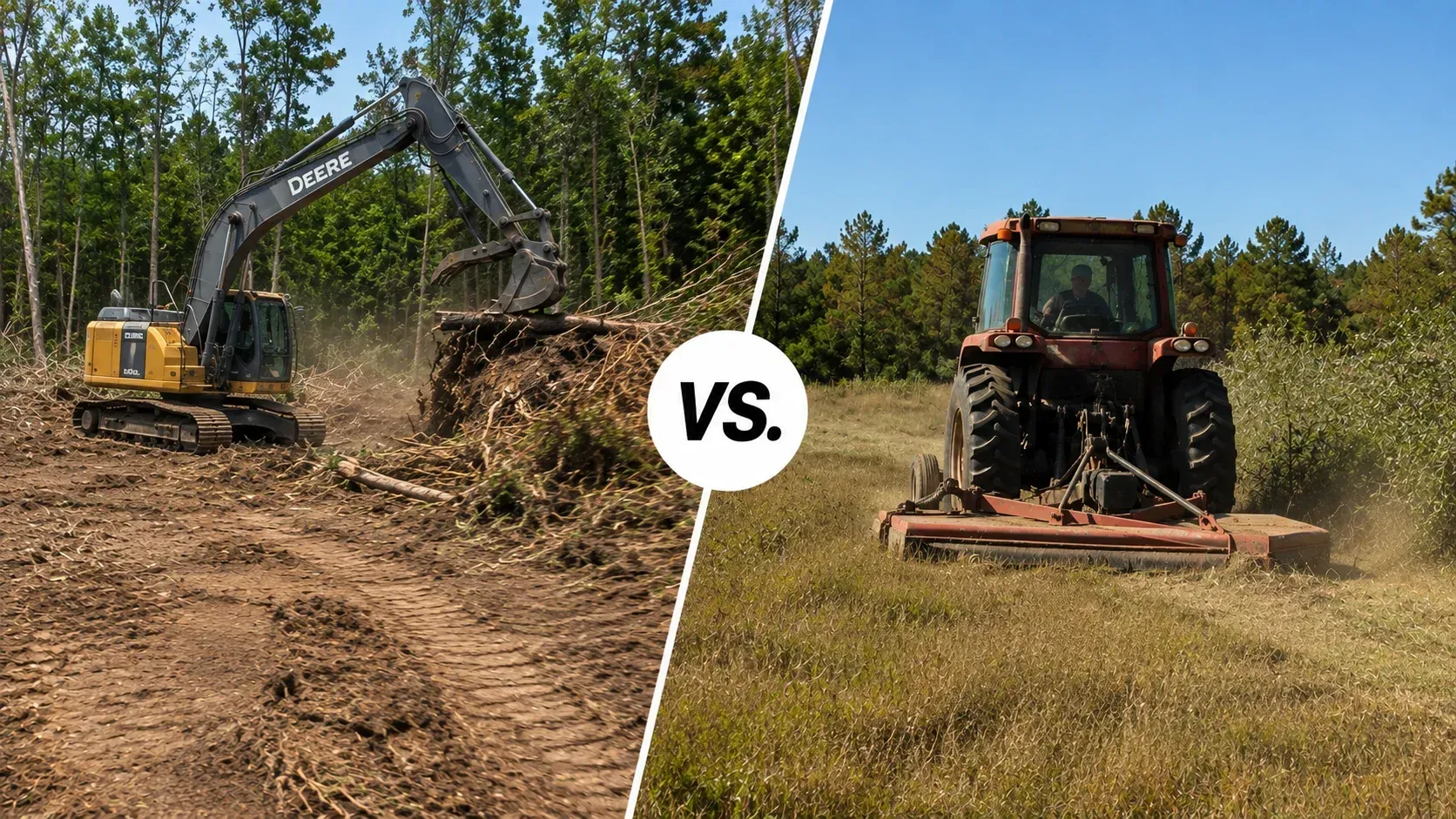
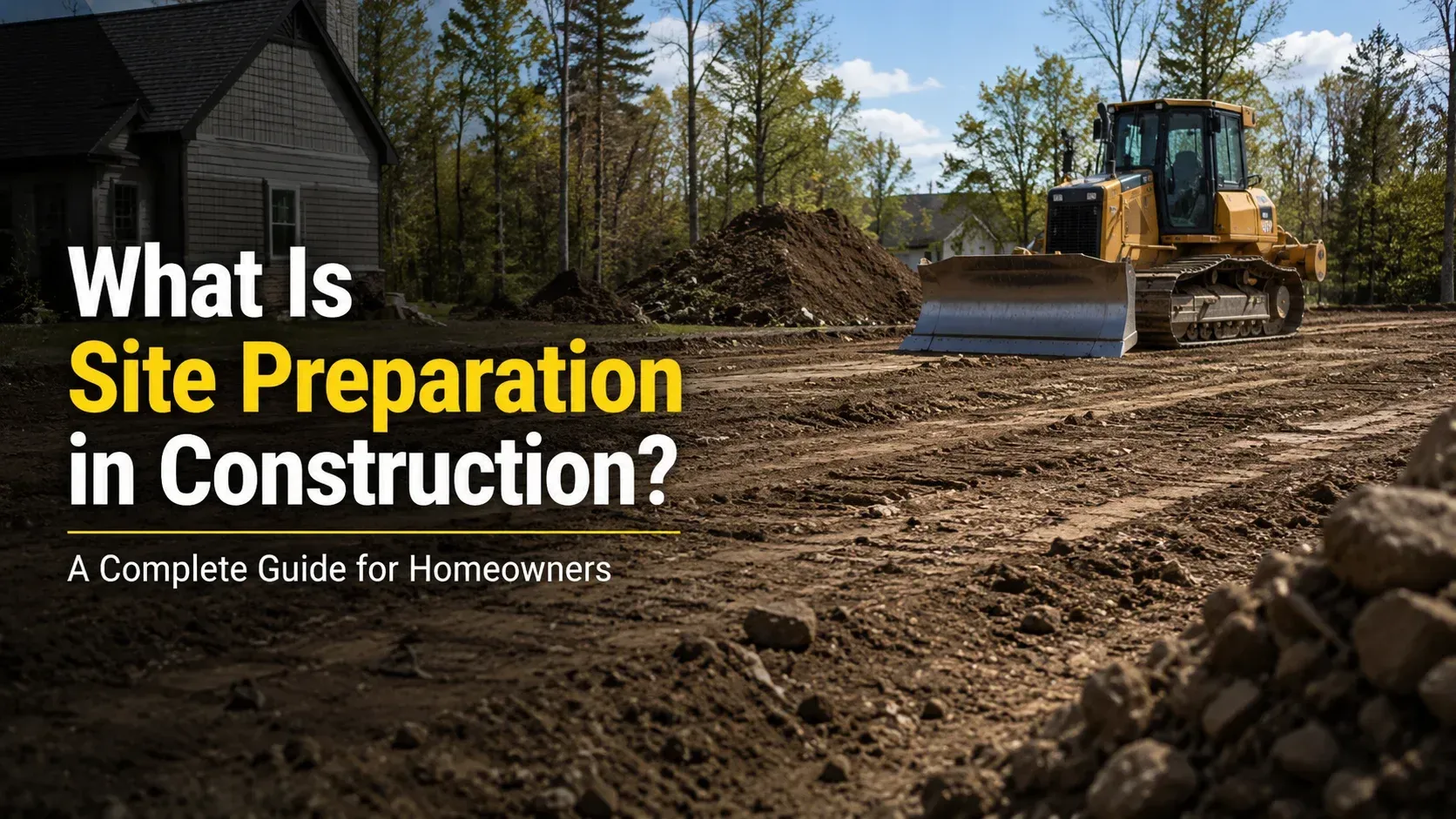
Site clearing is usually the first physical step in site prep. It involves removing trees, stumps, brush, and any debris sitting on the build area. For wooded lots, this can be a significant part of the overall project, since stumps and root systems need to come out completely rather than just being cut at ground level.
Clearing isn't only about visibility. Leftover roots and organic material left in the ground can decompose over time, creating voids or soft spots beneath a foundation. That's one reason thorough clearing matters more than it might initially seem. Homeowners working through this stage on a wooded or overgrown lot can look at how
land clearing services
are typically scoped to get a sense of what's usually involved.
Grading and Why It Comes Next
Once a site is cleared, grading shapes the land to the elevation and slope needed for the project. Grading isn't just about making a lot flat. In most cases, a slight slope is intentional, since it directs water away from a foundation or driveway instead of letting it pool.
Poor grading is one of the more common root causes behind drainage problems on residential lots. Water that isn't directed away from a structure will eventually find the path of least resistance, which is often straight toward a foundation wall or basement.
Soil Compaction and Stability
After grading, the soil typically needs to be compacted in layers, a process sometimes called lift compaction. Each layer is compacted before the next is added, which reduces air pockets and creates a denser, more stable base.
Without proper compaction, soil can settle unevenly after construction, which is one of the more common reasons new driveways or slabs develop cracks or low spots within the first year or two. The amount of compaction needed depends on what's being built on top of it. A basement or full foundation generally requires more thorough compaction than a gravel driveway.
How Local Soil and Terrain Affect Site Prep in Versailles, MO
Morgan County and the surrounding Central Missouri region have a mix of soil types, including areas with clay-heavy soil that drains more slowly than sandy or loamy soil. Clay soil tends to expand when wet and contract when dry, which can affect how a foundation or slab performs over time if the ground beneath it isn't properly prepared.
The rolling terrain common in this part of the state also plays a role. Lots with noticeable slope often need more grading work than flat lots, both to create a level building area and to manage where water flows once the project is finished.
Timing Site Prep Around Missouri Weather
Central Missouri's weather has a real effect on when site prep work can reasonably happen. Spring tends to bring heavier rainfall and, in some years, lingering effects from winter thaw, which can leave soil too saturated to grade or compact effectively. Working wet soil often does more harm than good, since compacting saturated ground doesn't create the stable base it's meant to.
Because of this, timing matters as much as the work itself. Homeowners planning a project can review more detail on how seasonal scheduling for excavation work tends to play out in this region before locking in a start date.
What Happens If Site Prep Is Skipped or Rushed
Skipping steps in site prep, or rushing through them to save time, doesn't usually cause immediate problems. The issues tend to surface later, after a structure is built and settling begins, or after the first heavy rain reveals drainage that wasn't properly addressed.
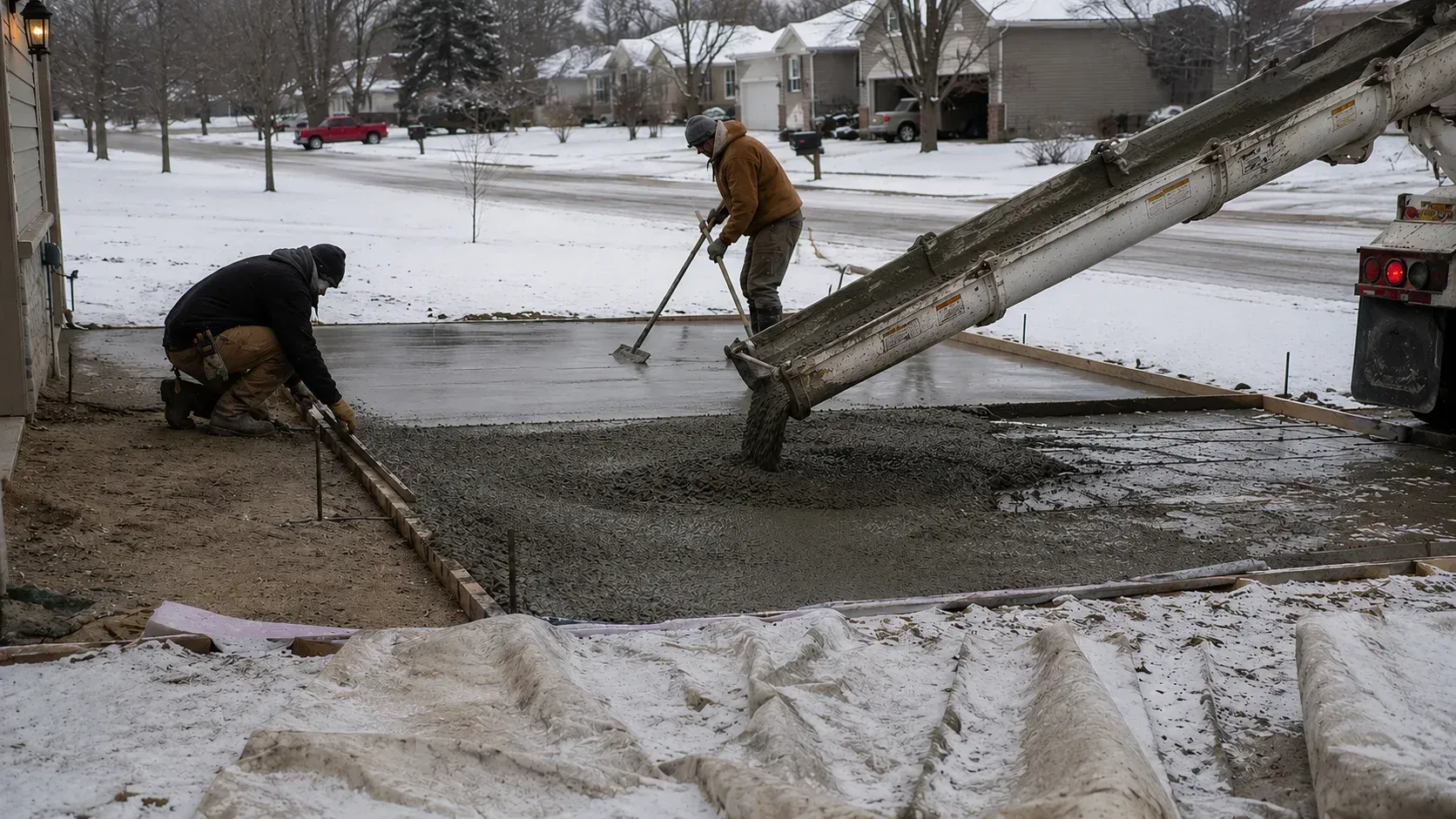
Common signs of inadequate site prep include uneven settling of a slab, water pooling near a foundation, or a driveway that develops ruts within the first year. None of these are guaranteed outcomes of skipped prep work, but they're frequently traced back to it during later inspections. For projects involving footings or foundation work specifically, understanding how footing and foundation pouring connects to the ground beneath it can help clarify why this groundwork stage gets so much attention.
Conclusion
Site preparation is the groundwork, literally, that determines how well a structure performs over time. It includes assessing the site, clearing vegetation and debris, grading for proper drainage, and compacting the soil into a stable base. None of these steps are visible once a project is finished, but skipping or rushing them tends to show up later in the form of settling, cracking, or drainage problems.
For homeowners in Versailles, Missouri, local soil conditions and seasonal weather both play a role in how site prep is approached and timed. Understanding these basics doesn't require becoming an expert in soil science, but it does help homeowners ask informed questions and recognize what reasonable, thorough site prep looks like before a project moves forward.
Have Questions About Site Prep for Your Property?
If you're planning a build or addition in the Versailles area and want a clearer picture of what your land might need before construction starts, a conversation can help sort out the basics. This isn't about pushing a particular plan or service.
It's about giving you accurate information so you can make a decision that fits your property and your timeline. You can contact Hoover's Bobcat Service with questions about how site prep typically works in this part of Central Missouri.
Frequently Asked Questions
How long does site preparation usually take?
Timing varies widely depending on lot size, amount of clearing needed, and weather conditions. A small project might take a few days, while a larger or heavily wooded lot can take longer, especially if grading and compaction require multiple passes.
Is site preparation required for a small structure like a shed?
Some level of site prep is generally recommended even for small structures, since an unstable or poorly drained base can cause settling or shifting over time. The scope is usually much smaller than what's needed for a home or driveway.
Can site prep be done in any season?
Site prep can technically happen year-round, but wet or frozen ground can limit what's practical. Spring rains and winter thaw in Central Missouri often affect scheduling, since compacting saturated soil doesn't create a stable result.
What's the difference between site clearing and grading?
Site clearing removes trees, brush, and debris from the build area. Grading comes after clearing and involves shaping the land to the correct elevation and slope for construction and drainage.
Does soil type really make a difference in site prep?
Yes. Clay-heavy soil, common in parts of Central Missouri, drains more slowly and can expand or contract with moisture changes, which affects how it needs to be graded and compacted compared to sandier soil.
How do I know if my lot needs extensive site prep?
Factors like slope, existing vegetation, soil drainage, and what's being built all affect the scope. A site assessment by someone familiar with local conditions is generally the most reliable way to get a clear answer.
Is site preparation the same as excavation?
Site preparation is a broader term that includes clearing, grading, and compaction. Excavation specifically refers to digging, such as removing soil for a basement or footing. Excavation is often one part of a larger site prep process.
Recent Posts