Central Missouri Excavation Scheduling Around Spring Thaw and Wet Season
Read Time: 6 min
Excavation projects in Central Missouri face unique challenges during the spring thaw and wet season. The region’s clay-rich soils become saturated and unstable, especially in April when rainfall peaks. If you’re planning excavation work, understanding how to schedule around these conditions is essential to avoid costly delays and equipment issues.
This guide will walk you through the best times to schedule excavation, how to prepare your site effectively, and which drainage and equipment solutions work best in Central Missouri’s wet climate. We’ll also cover common mistakes to avoid and when it’s best to call in professionals.
By following these strategies, you can keep your project on track, reduce weather-related disruptions, and protect your investment in excavation and concrete work.
TL;DR / Quick Summary
cheduling excavation projects in Central Missouri requires careful timing around the spring thaw and wet season to manage soil moisture and site stability.
Key Takeaways:
- Schedule excavation early in spring, ideally before mid-April, to avoid peak wet conditions.
- Test local clay soils for moisture content to select appropriate excavation methods.
- Prepare sites with clearing, grading (4-6 inch slope), and drainage solutions like culverts and silt fences.
- Use wide-track, high-clearance equipment to navigate muddy terrain.
- Maintain machinery regularly during wet periods to prevent damage.
- Plan concrete pouring during dry windows with temperature monitoring to ensure proper curing.
Optimal Scheduling for Central Missouri Excavation
Scheduling excavation early in the spring is critical to avoid the saturated soil conditions typical of Central Missouri’s wet season. The spring thaw usually begins in March, with peak rainfall in April, causing clay soils to become soft and unstable. Starting excavation before mid-April can reduce the risk of delays and equipment getting stuck.
Weather in Central Missouri is unpredictable, so monitoring local forecasts daily during this period is essential. Build flexibility into your project timeline to accommodate sudden rain events or thaw delays. Early starts can save you from costly downtime and soil damage.
Understanding Soil Conditions in Central Missouri
Central Missouri’s soil is predominantly clay, which retains moisture and becomes very soft during the wet season. This can cause soil saturation and instability, complicating excavation efforts.
Conducting a soil test before starting your project is highly recommended. Testing moisture content and soil composition helps you choose the right excavation techniques and equipment. For example, clay soils with moisture content above 25% require special handling to prevent site collapse.
Site Preparation Steps for Wet Season Excavation
Proper site preparation can mitigate many wet season challenges. Key steps include:
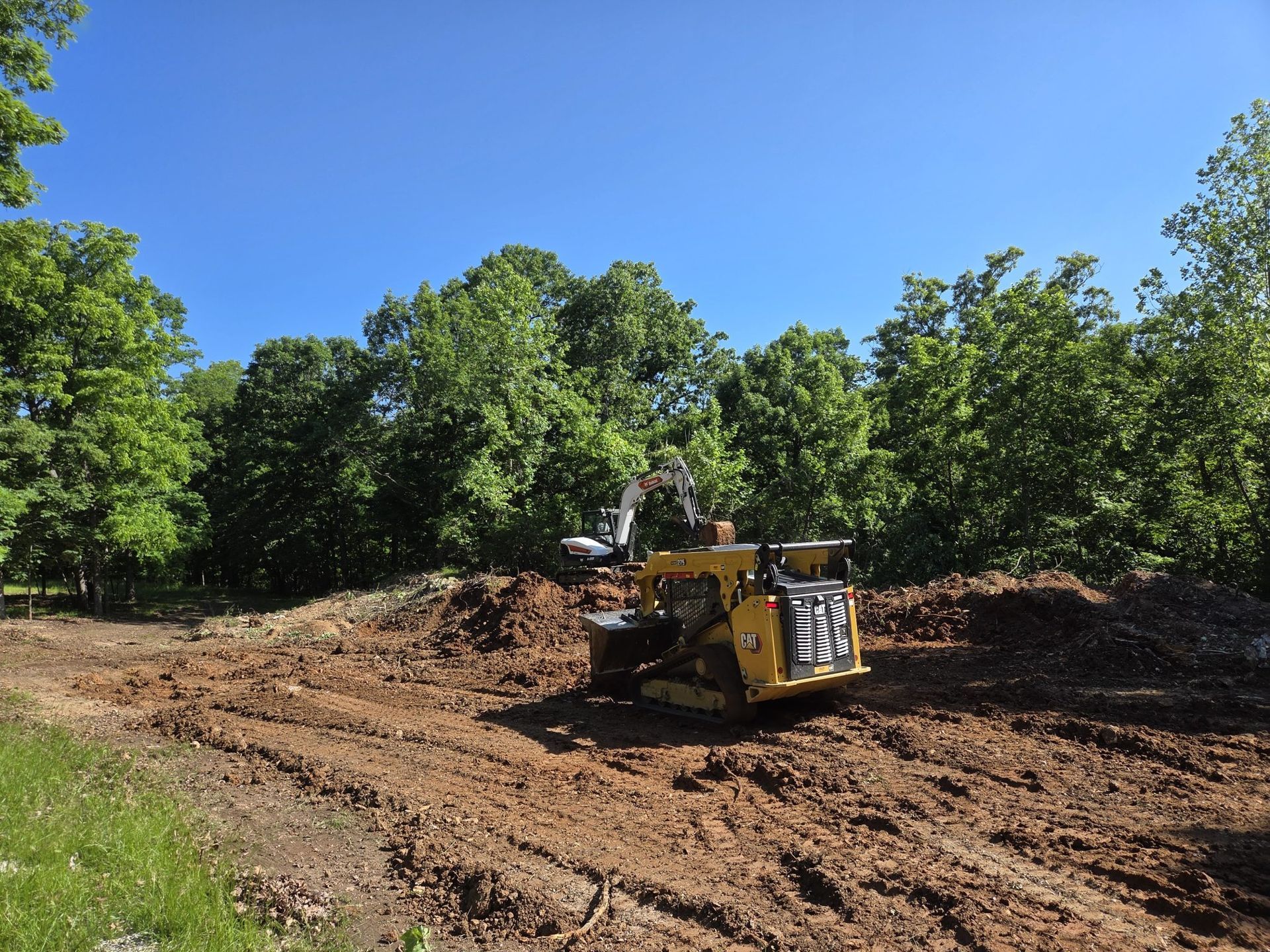
- Clearing and Grading: Remove all vegetation and debris. Grade the site with a 4-6 inch slope away from the excavation area to promote drainage.
- Base Compaction: Compact the soil to improve stability. This reduces shifting and settling during wet conditions.
- Drainage Planning: Design and install drainage systems to manage water runoff effectively.
How to Prepare Sites During and After Spring Thaw?
After the thaw, the ground remains soft for 48-72 hours. Clear all vegetation and roots that could obstruct excavation. Use grading equipment to maintain slopes that direct water away from the site, preventing pooling and erosion.
Effective Drainage Solutions for Site Stability
Maintaining site stability during wet conditions requires robust drainage solutions:
- Culvert Installation: Installing culverts helps channel water away from excavation zones, reducing erosion risks.
- Grading for Drainage: Proper grading ensures water flows off the site quickly.
- Erosion Control Measures: Use silt fences and erosion control blankets to protect soil integrity.
These measures can reduce water damage and maintain a safer, more stable excavation site.
Best Excavation Equipment for Missouri’s Wet Weather
Choosing the right equipment is vital for working in muddy, wet conditions:
- Wide Tracks: Provide better traction and reduce ground pressure.
- High Ground Clearance: Prevents machinery from getting stuck in soft soil.
- Powerful Hydraulics: Ensure smooth operation despite challenging terrain.
Maintaining Machinery During Wet and Thaw Periods
Regular maintenance is essential to prevent breakdowns:
- Inspect for Wear: Check tracks and hydraulic systems frequently.
- Clean Equipment: Remove mud and debris daily.
- Lubricate Moving Parts: Prevent rust and corrosion caused by moisture.
Scheduling Concrete Pouring and Finishing After Spring Thaw
Concrete work requires careful timing post-thaw to ensure proper curing:
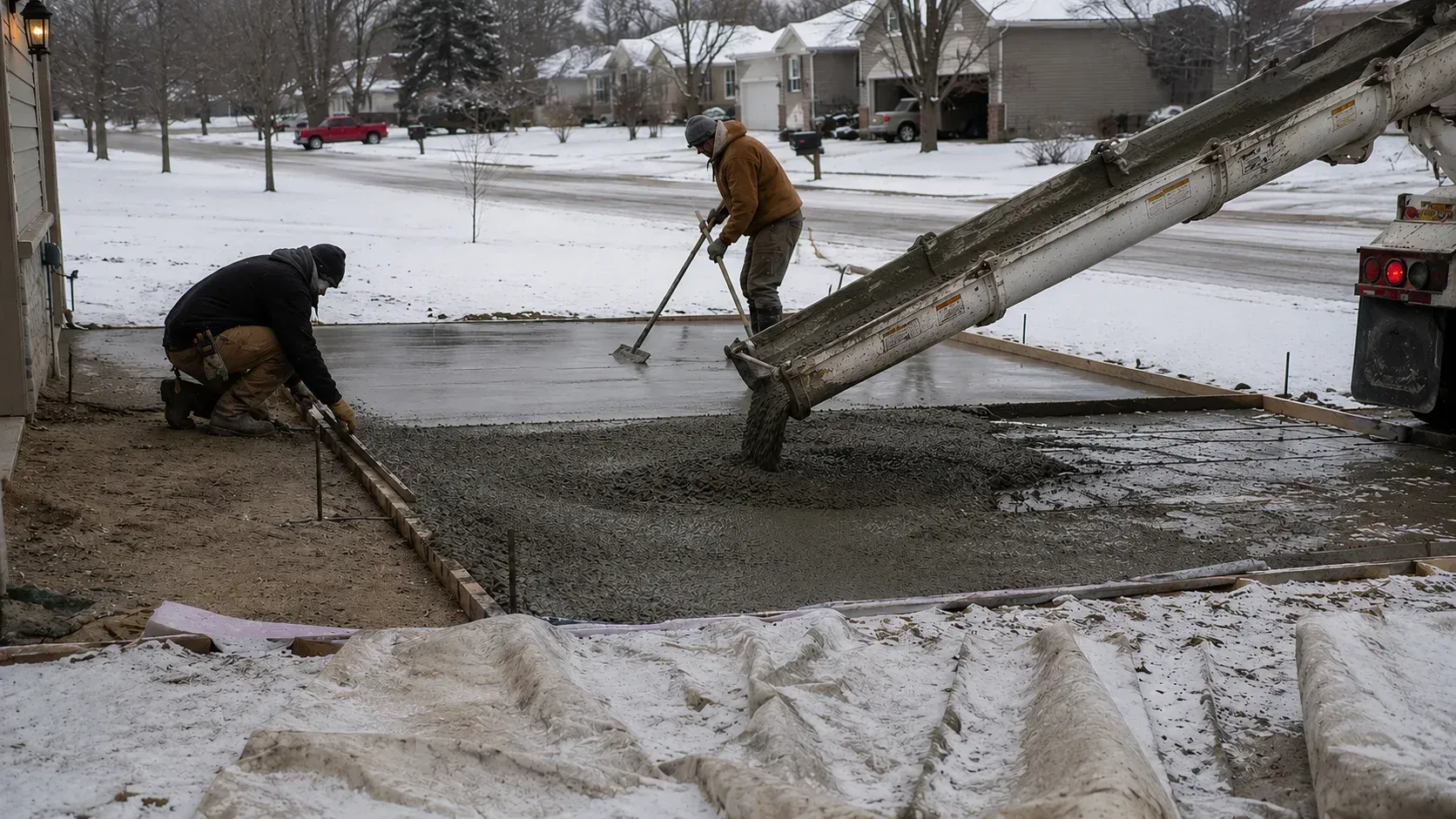
- Schedule pours during dry windows to avoid excess moisture.
- Monitor temperatures to prevent freezing during curing.
- Use moisture barriers to protect fresh concrete from water damage.
-
Delays in curing can increase costs, with repairs ranging from $1,500 to $5,000 depending on damage severity.

Common Wet Season Excavation Mistakes to Avoid
Ignoring Soil Testing
Failing to test soil moisture and composition can lead to equipment getting stuck or site collapse.
Poor Drainage Planning
Without proper drainage, water accumulates, causing erosion and unstable working conditions.
Inflexible Scheduling
Not allowing buffer time for weather delays can extend project timelines and increase costs
What You Can Handle vs. When to Call a Pro
DIY Tasks
- Basic site clearing and debris removal.
- Monitoring weather and adjusting schedules.
- Simple grading with small equipment.
When to Call a Professional
- Soil testing and analysis for moisture and stability.
- Designing and installing complex drainage systems.
- Operating heavy machinery in challenging wet conditions.
- Concrete pouring and finishing requiring precise timing and temperature control.
Conclusion
Scheduling excavation projects in Central Missouri around the spring thaw and wet season requires careful planning, soil assessment, and site preparation. By starting early, using proper drainage, and selecting the right equipment, you can avoid common pitfalls and keep your project on schedule.
For expert assistance with excavation, soil testing, or concrete services, contact Hoovers Bobcat, a trusted local provider serving Central Missouri.
Frequently Asked Questions
When is the best time to start excavation in Central Missouri?
The best time to start excavation is before mid-April, ideally early spring, to avoid saturated soils caused by the spring thaw. This timing allows work to be completed above the Central Missouri frost line, which ranges from 18 to 24 inches deep, minimizing frost heave and soil instability risks.
How does the Central Missouri frost line affect excavation depth and timing?
The frost line in Central Missouri typically extends 18 to 24 inches below the surface, dictating the minimum depth for stable excavation and foundation work. Excavation should be scheduled after the frost has receded below this depth to prevent soil movement and ensure proper compaction.
What is the soil moisture ‘roll test’ and why is it important?
The soil moisture ‘roll test’ assesses the plasticity and moisture content of clay soils by rolling a soil sample into a thread to observe its flexibility and breakage point. This test helps determine if the soil is too wet or plastic for safe excavation, as high plasticity clay retains water and can cause site instability.
How does high-plasticity clay impact drainage and excavation?
High-plasticity clay has a fine particle size and low permeability, which leads to poor drainage and prolonged soil saturation. This condition increases the risk of soil collapse and equipment getting stuck, requiring enhanced drainage solutions and careful scheduling during wet seasons.
What drainage solutions are technically recommended for wet season excavation in clay soils?
Effective drainage includes installing culverts to channel water away, grading the site with a 4-6 inch slope to promote runoff, and using erosion control measures like silt fences. These solutions mitigate water accumulation in high-plasticity clay soils, improving site stability during excavation.
What equipment features are essential for excavation in Central Missouri’s wet clay soils?
Equipment with wide tracks reduces ground pressure and improves traction on soft soils, while high ground clearance prevents machinery from becoming bogged down. Additionally, powerful hydraulics ensure smooth operation in challenging terrain typical of wet clay conditions.
How should concrete pouring be scheduled relative to soil and weather conditions?
Concrete pouring should be scheduled during dry windows after the spring thaw when soil moisture is stable and temperatures are above freezing. Monitoring temperature and using moisture barriers are critical to prevent freezing and water damage, ensuring proper curing and structural integrity.
What are the key technical mistakes to avoid during spring excavation in Central Missouri?
Failing to test soil moisture and plasticity, neglecting proper drainage design, and inflexible scheduling without weather contingencies are major technical errors. These mistakes can lead to equipment failure, site collapse, and costly project delays.
Serving Jefferson City, Columbia, Sedalia, and surrounding Central Missouri area.
Related Resources
- Concrete Services | Footings, Slabs, Driveways & Flatwork – Full overview of Hoover’s Bobcat concrete work, including basements, driveways, sidewalks, and garage floors
- Excavation Services in Central Missouri – Site preparation, grading, land clearing, and building site prep services
- About Hoover’s Bobcat Service – Who we are, our service area, and what we bring to every job
- Get a Quote – Request a project estimate for concrete or excavation work in Central Missouri
Sources
- 2021 International Residential Code IRC | Frost Protection – cited for general frost depth requirements, Missouri Climate Center | Missouri Frost Line – cited for historical frost line depths
- MoDOT Engineering Policy on Foundations and Frost Protection – cited for frost heave behavior in Missouri soils and its effect on shallow foundations
- Portland Cement Association | Curing in Construction – cited for the concrete strength gain timeline: 70% of design strength at 7 days, full strength at 28 days
- National Ready Mixed Concrete Association | CIP 27 | Cold Weather Concreting – cited for the finding that fresh concrete frozen before reaching adequate strength can lose more than 50% of its potential compressive strength
Recent Posts