Concrete Foundation Excavation: Ensuring Stability in Central Missouri
Read Time: 7 min
When building a concrete foundation, the excavation beneath it is just as important as the concrete itself. In Central Missouri, where clay-heavy soil is common, proper excavation and site preparation are critical to prevent foundation issues like settlement and cracking. Understanding how to prepare your site, the best excavation techniques, and when to hire professionals can save you time and money in the long run.
This guide walks you through the essential steps for concrete foundation excavation, focusing on local soil conditions, construction standards, and sustainable practices. Whether you’re a homeowner or contractor, you’ll learn how to ensure your foundation rests on a stable base that supports your structure for decades.
We’ll also cover common mistakes to avoid, the equipment used by excavation contractors, and how Hoover’s Bobcat Service in Missouri delivers quality excavation tailored to local needs.
TL;DR / Quick Summary
Proper excavation is the foundation of a strong concrete footing, especially in Central Missouri’s clay-heavy soil. Ensuring correct depth, compaction, and drainage during excavation prevents costly foundation problems.
Key Takeaways:
- Excavate footings at least 30-36 inches below the surface to avoid frost heave.
- Achieve soil compaction of 95% Standard Proctor Density for stability.
- Conduct thorough soil testing to assess moisture and composition before excavation.
- Use professional equipment like excavators, bulldozers, and compactors for best results.
- Follow Missouri building codes and environmental regulations for safe excavation.
- Hire experienced contractors like Hoover’s Bobcat Service for reliable foundation excavation.
Why Excavation Matters for Concrete Foundations
Excavation creates the stable base your concrete footings need to support your structure’s weight. In Central Missouri, the clay-heavy soil expands and contracts with moisture changes, making proper excavation and compaction essential to prevent foundation settlement and cracking. Excavating to the correct depth—typically 30 to 36 inches below the frost line—helps avoid frost heave damage during winter.
Even load distribution depends on a level, compacted base. Without proper excavation, uneven soil can cause structural stress and costly repairs. Professional excavation ensures the soil is prepared to meet local building codes and withstand environmental factors.
Preparing Your Site in Missouri
Site preparation is a multi-step process that sets the stage for a durable foundation. In Central Missouri, where soil conditions vary, thorough preparation is critical.
Soil testing is the first step. Tests include:
- Soil Composition Analysis: Identifies clay content and load-bearing capacity.
- Moisture Content Testing: Measures water levels to anticipate soil expansion.
- Compaction Tests: Ensures soil can be compacted to at least 95% Standard Proctor Density.
After testing, the site must be cleared of debris and graded to promote drainage away from the foundation. Proper grading prevents water accumulation, which can weaken the soil and foundation over time.
Missouri’s building codes require excavation depths and soil testing to meet safety and stability standards. Environmental regulations also protect local ecosystems during excavation.
Best Excavation Techniques for Concrete Footings
Using the right excavation methods ensures a solid foundation. Key techniques include:
- Trenching: Digging narrow, deep trenches to the required footing depth (30-36 inches below frost line).
- Grading: Leveling the site to direct water away from the foundation.
- Compaction: Compacting soil with heavy machinery to achieve 95% Standard Proctor Density, enhancing load-bearing capacity.
These methods reduce risks of settlement and water damage, especially important in Missouri’s clay soils.
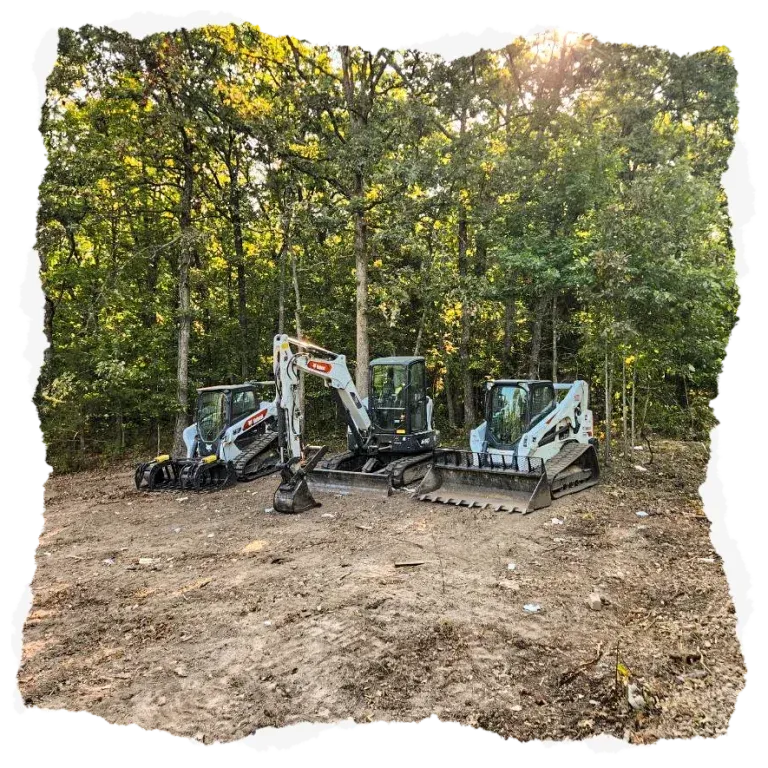
Equipment Used by Excavation Contractors
Professional contractors use specialized equipment to ensure efficient and precise excavation:
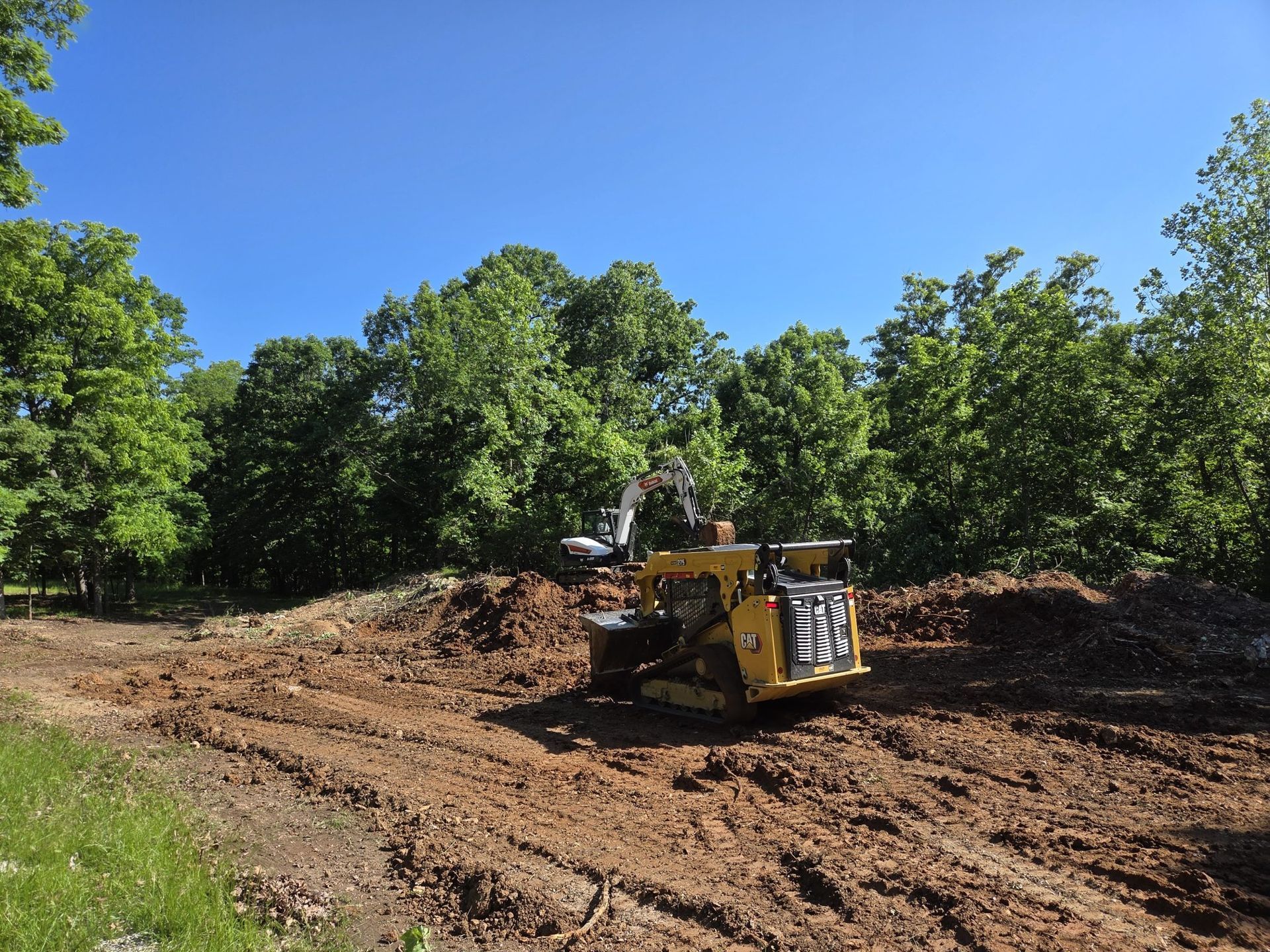
- Excavators: For digging and moving large volumes of soil.
- Bulldozers: For grading and leveling the site.
- Compactors: To compress soil and increase stability.
Using the right equipment helps meet project timelines and quality standards.
Sustainable Excavation Practices
Eco-friendly excavation benefits both the environment and your foundation’s longevity. Sustainable practices include:
- Minimizing Soil Disturbance: Limiting excavation area to reduce environmental impact.
- Using Recycled Materials: Incorporating recycled backfill materials to improve soil stability.
- Erosion Control: Implementing barriers and vegetation to prevent soil erosion during and after excavation.
These methods align with Missouri’s environmental guidelines and promote responsible construction.
Common Excavation Mistakes to Avoid
Inadequate Excavation Depth
Failing to dig footings deep enough (less than 30 inches below frost line) can cause frost heave and foundation cracking.
Poor Soil Compaction
Not compacting soil to at least 95% Standard Proctor Density leads to uneven settling and structural damage.
Ignoring Soil Moisture and Composition
Skipping soil testing risks unexpected settlement due to clay expansion or water accumulation.
Improper Grading
Failing to grade the site properly causes water pooling near the foundation, increasing erosion and damage risk.
What You Can Handle vs. When to Call a Pro
DIY Tasks
- Clearing small debris and vegetation from the site.
- Basic site grading for minor drainage adjustments.
- Monitoring soil moisture levels if you have testing equipment.
When to Call a Professional
- Conducting comprehensive soil testing and analysis.
- Excavating trenches to precise depths below the frost line.
- Operating heavy machinery for excavation and compaction.
- Ensuring compliance with Missouri building codes and environmental regulations.
How Hoover’s Bobcat Service Ensures Quality Excavation
Hoover’s Bobcat Service specializes in foundation excavation tailored to Central Missouri’s unique soil conditions. Their team conducts thorough soil testing and site assessments before excavation, ensuring compliance with local building codes. They use advanced equipment to achieve proper trenching, grading, and compaction, meeting the 95% Standard Proctor Density compaction standard.
Services include:
- Foundation Excavation: Precise digging to required depths (30-36 inches below frost line).
- Concrete Footings Installation: Meeting Missouri’s building codes for structural integrity.
- Site Preparation: Soil testing, grading, and erosion control to protect your foundation.
Hoover’s Bobcat Service combines local expertise with sustainable practices to deliver durable foundations that stand the test of time.
Conclusion
Excavation is the critical first step in building a strong concrete foundation, especially in Central Missouri’s clay-heavy soil. Proper depth, compaction, and site preparation prevent common foundation problems like settlement and water damage. While some site prep tasks can be DIY, professional excavation ensures compliance with local codes and long-term stability.
For reliable foundation excavation services in Central Missouri, contact Hoover’s Bobcat Service today. Their expertise and equipment will help you build a foundation that lasts.
Frequently Asked Questions
How deep should excavation be for concrete footings in Missouri?
Excavation for concrete footings in Missouri should reach a depth of 18 to 24 inches below the frost line to prevent frost heave and ensure foundation stability. This depth protects the footing from soil freeze-thaw cycles that cause expansion and contraction. Local building codes often specify this range to maintain structural integrity in clay-heavy soils.
Why is soil compaction important for foundations?
Soil compaction is critical because it increases the soil’s load-bearing capacity and reduces settlement risk. Achieving at least 95% Standard Proctor Density ensures the soil beneath the foundation is dense and stable, minimizing voids and preventing uneven settling. Proper compaction also limits water infiltration, which can weaken the soil structure over time.
What role does non-expansive fill play in Central Missouri clay soils?
Non-expansive fill is used to replace or stabilize the naturally expansive clay soils common in Central Missouri. This type of fill material does not swell or shrink significantly with moisture changes, reducing the risk of foundation movement. Incorporating non-expansive fill beneath footings helps maintain a stable base and prevents cracking caused by soil volume changes.
What soil tests are necessary before excavation?
Essential soil tests include soil composition analysis, moisture content testing, and compaction testing. These tests determine the clay content, water levels, and the soil’s ability to be compacted to 95% Standard Proctor Density. Accurate testing guides excavation depth and preparation methods to ensure a stable foundation base.
Can I excavate my foundation myself?
Minor tasks like clearing debris and basic grading can be handled by homeowners, but precise excavation to the required depth and compaction should be performed by professionals. Excavation involves meeting strict standards such as achieving 95% Standard Proctor Density and digging below the frost line, which requires specialized equipment and expertise. Improper excavation can lead to costly foundation failures.
How does poor excavation affect my foundation?
Poor excavation can cause uneven settling, foundation cracking, and water damage due to inadequate depth, compaction, or drainage. If soil is not compacted to 95% Standard Proctor Density or footings are placed above the frost line, the foundation may shift with soil expansion and contraction. This instability compromises the structural integrity and longevity of the building.
What equipment is used for foundation excavation?
Excavators, bulldozers, and compactors are the primary equipment used for foundation excavation. Excavators dig trenches to the precise depth below the frost line, bulldozers grade the site to ensure proper drainage, and compactors densify the soil to meet the 95% Standard Proctor Density requirement. Using this equipment ensures efficient, accurate, and code-compliant excavation.
Are there sustainable excavation practices?
Yes, sustainable excavation practices include minimizing soil disturbance, using recycled backfill materials, and implementing erosion control measures. These methods reduce environmental impact while maintaining soil stability and foundation integrity. Sustainable practices also comply with Missouri’s environmental regulations and promote long-term site health.
How can Hoover’s Bobcat Service help with my foundation excavation?
Hoover’s Bobcat Service provides expert excavation tailored to Missouri’s clay soils, including thorough soil testing, precise trenching below the frost line, and compaction to 95% Standard Proctor Density. Their use of advanced equipment and adherence to local building codes ensures a stable foundation base. They also incorporate sustainable practices to protect the environment and enhance foundation durability.
Serving Versailles, Jefferson City, Lake Ozark, Columbia, Warsaw, Sedalia, and surrounding Central Missouri area.
Related Resources
- Concrete Services | Footings, Slabs, Driveways & Flatwork – Full overview of Hoover’s Bobcat concrete work, including basements, driveways, sidewalks, and garage floors
- Excavation Services in Central Missouri – Site preparation, grading, land clearing, and building site prep services
- About Hoover’s Bobcat Service – Who we are, our service area, and what we bring to every job
- Get a Quote – Request a project estimate for concrete or excavation work in Central Missouri
Sources
- 2021 International Residential Code IRC | Frost Protection – cited for general frost depth requirements, Missouri Climate Center | Missouri Frost Line – cited for historical frost line depths
- MoDOT Engineering Policy on Foundations and Frost Protection – cited for frost heave behavior in Missouri soils and its effect on shallow foundations
- Portland Cement Association | Curing in Construction – cited for the concrete strength gain timeline: 70% of design strength at 7 days, full strength at 28 days
- National Ready Mixed Concrete Association | CIP 27 | Cold Weather Concreting – cited for the finding that fresh concrete frozen before reaching adequate strength can lose more than 50% of its potential compressive strength
Recent Posts